PrEP in Boston: How to Get It, What It Costs and Who It Is For
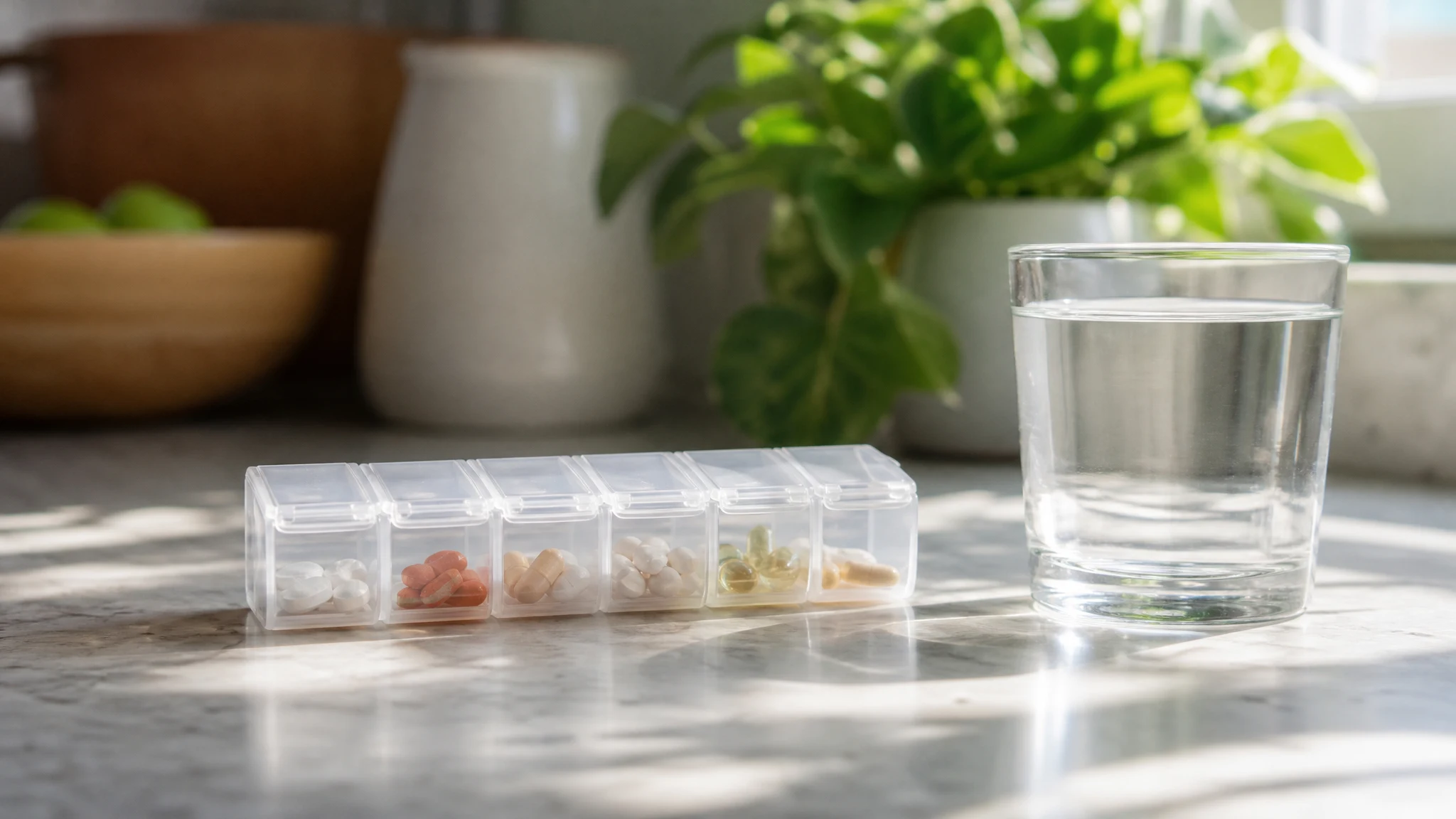
This page is general health information, not medical advice. It cannot tell you whether you have an infection. A clinician can, and the testing options on this site are a good place to start.
PrEP is medicine that lowers the chance of getting HIV. In Boston, you can start it at a hospital clinic, a community health center or a sexual health clinic. Several of those places offer free or sliding-scale care.
This guide covers how PrEP works, who it is for, the forms it comes in, what happens at the first visit and what it can cost. It also covers how Massachusetts law and federal insurance rules apply, and where to ask for it in the city.
Key takeaways
- PrEP stands for pre-exposure prophylaxis. A clinician prescribes it to people who do not have HIV to lower their chance of getting it.
- The CDC says daily oral PrEP reduces the risk of getting HIV from sex by about 99 percent when taken as prescribed. For people who inject drugs, the CDC says the reduction is at least 74 percent.
- PrEP does not protect against other STIs. The CDC recommends testing for them while you are on PrEP.
- The USPSTF recommends PrEP for people at increased risk of HIV. Under the Affordable Care Act, most health plans must cover USPSTF recommendations without cost sharing, though you should confirm with your plan.
- Boston Medical Center's Boston STD Clinic and Fenway Health list PrEP among their services. Codman Square, Planned Parenthood League of Massachusetts and DotHouse Health do too, on sliding-scale fees.
- Massachusetts law lets a minor who is sexually active consent to HIV prevention care without a parent.
In this guide
- What PrEP is and how well it works
- Who PrEP is for
- The types of PrEP: daily, on-demand and injectable
- How to get PrEP: the visit and the lab tests
- HIV PrEP cost and coverage in Massachusetts
- Where to get PrEP in Boston
- Staying on PrEP and protecting your overall health
- Common questions about PrEP in Boston
What PrEP is and how well it works
PrEP is a prescription medicine that people take before a possible exposure to HIV. It is for people who do not have HIV. The CDC describes it as one of the most effective tools for preventing HIV acquired through sex or injection drug use.
How the medicine works
PrEP medicines keep HIV from establishing itself in the body if the virus enters. The medicine has to be in your body at protective levels for this to work. That is why the CDC stresses taking it as prescribed.
What the numbers say
The CDC says daily oral PrEP reduces the risk of getting HIV from sex by about 99 percent when it is taken as prescribed. The CDC says it reduces the risk from injection drug use by at least 74 percent. The protection is lower when doses are missed.
No prevention method is perfect, and your clinician can explain what these figures mean for your situation.
How long until it protects you
The CDC says oral PrEP reaches maximum protection at different times depending on the kind of exposure. For receptive anal sex it is about 7 days. For receptive vaginal sex and for injection drug use, the CDC says it takes about 21 days of daily use. Ask your clinician how this applies to you and whether to use other protection in the meantime.
What PrEP does not do
PrEP is for HIV only. The CDC says it does not protect against chlamydia, gonorrhea, syphilis or other STIs, and it does not prevent pregnancy. Condoms lower the chance of several STIs. A clinician can talk through the full set of options.
PrEP and PEP are different
PEP is post-exposure prophylaxis. It is taken after a possible exposure to HIV, and the CDC says it must start within 72 hours. PrEP is taken before. Boston Medical Center's Boston STD Clinic, Fenway Health, Codman Square's X-Clinic list PEP among their services.
Who PrEP is for
PrEP is for anyone who does not have HIV and may be exposed to it. That includes people of every gender and sexual orientation. The USPSTF recommends that clinicians offer PrEP to people at increased risk of HIV. The CDC's clinical guidance describes who should be considered for it.
People the CDC says clinicians should talk with about PrEP
- People who have had anal or vaginal sex in the past six months and have a partner with HIV, or have had a bacterial STI in that time.
- People who have had anal or vaginal sex in the past six months and do not always use condoms with partners whose HIV status they do not know.
- People who inject drugs and share needles or other equipment, or who have a partner who does.
- Anyone who asks for PrEP. The CDC says clinicians should prescribe it to a person who wants it, even when the person does not describe a specific risk.
Many kinds of people use PrEP
Gay and bisexual men, transgender and gender diverse people, heterosexual couples and people who use drugs all take PrEP. Some people use it because a partner has HIV. Others use it because they have new partners, or because it eases worry about sex.
You do not have to justify your sex life to get PrEP. A good clinician will ask questions to choose the right option, not to judge you.
Teens and young adults
Massachusetts General Law chapter 112, section 12F says a minor who reasonably believes they are at risk of exposure through sexual activity may consent to care to diagnose or treat disease. The same law covers HIV prevention care for a minor who is sexually active, without a parent's consent. Records are confidential between the minor and the physician, with a narrow exception when a minor's life or limb is seriously endangered.
The City of Boston tells people 13 or older that they can get a confidential STI test without parental permission. That is the city's guidance on testing. For PrEP specifically, ask the clinic how it handles consent and billing for minors. Insurance statements can reach a policyholder, so ask about that before you use a parent's plan.
Pregnancy and PrEP
People who are pregnant, trying to become pregnant or breastfeeding can talk with a clinician about PrEP. The CDC addresses this in its guidance. The decision is made with a clinician who can look at your full health picture.
Why this matters in Boston
Suffolk County, which contains Boston, had a chlamydia rate of 807.8 per 100,000 people in 2021, the highest in Massachusetts, according to CDC county data republished by Boston 25 News and Stacker. Its gonorrhea rate was 298.0 per 100,000. These are county figures, not city-only figures. They show that STIs are common here, and a bacterial STI is one of the CDC's markers for considering PrEP. A current Boston HIV diagnosis rate was not available to us. The Boston Public Health Commission can point you to it.
The types of PrEP: daily, on-demand and injectable
There is more than one way to take PrEP. The right option depends on your body, your life and the kind of exposure you want to protect against. A clinician makes the prescription and sets the plan. This section describes the options in general terms, as the CDC does.
Daily oral PrEP
This is the most common form. It is a pill taken every day, prescribed by a clinician. The CDC's studies show the strongest evidence for daily use. It works for sex and for injection drug use. Missing doses lowers the protection, so people often tie the pill to a daily habit.
The CDC lists more than one oral medicine for PrEP. Which one is right depends on things like your kidney health, your bone health and your sex assigned at birth. Your clinician decides after your lab results.
On-demand PrEP, sometimes called 2-1-1
On-demand PrEP means taking the medicine around the time of sex rather than every day. The pattern is often called 2-1-1. The CDC describes this approach only for certain people. It has been studied in men who have sex with men, and it does not apply to everyone.
The CDC does not recommend on-demand dosing for people whose exposure is through vaginal sex or injection drug use. If you think this option might fit you, ask a clinician. They will explain the schedule and whether it is appropriate for your situation. Do not start it on your own from something you read online.
Injectable PrEP
Long-acting injectable PrEP is given by a clinician at a clinic, with weeks to months between visits depending on the product. The CDC lists it as an option. It can suit people who find daily pills hard to take or who prefer fewer doses to think about.
Injectable PrEP involves HIV testing before you start and at follow-up visits, and a plan for what happens if you stop. Availability varies by clinic. Ask the clinic you choose which forms it prescribes, and ask your insurer whether the injectable is covered.
Side effects and safety
The CDC says some people have mild side effects when they start oral PrEP, such as nausea, and these usually go away within weeks. Oral PrEP can affect kidney function in a small number of people, so clinicians check kidney tests. Tell your clinician about other medicines you take. Serious problems are uncommon, and a clinician can answer questions about any symptom that worries you.
How to get PrEP: the visit and the lab tests
If you are wondering how to get PrEP, the path is straightforward. You need a prescription from a clinician, and the clinician needs a few test results first.
Step 1: Choose a place to ask
Start with a sexual health clinic, a community health center or your primary care provider. Many Boston clinics have a PrEP navigator or a staff member who handles coverage questions. The clinic section below lists places that name PrEP among their services.
Step 2: Book the visit
Some clinics take appointments only. The Boston STD Clinic at Boston Medical Center takes appointments by phone at 617-414-2803. Check each clinic's page or call to find out whether it takes walk-ins for PrEP visits, because the walk-in hours we list in this guide apply to testing.
Step 3: The conversation
The clinician will ask about your health history, your medicines and your partners or injection practices. These questions help choose the right form of PrEP. You can ask for any option, say what matters to you and say if something is hard to talk about.
Step 4: The tests the CDC recommends before starting
The CDC's PrEP guidance calls for these tests:
- An HIV test. PrEP is for people who do not have HIV, so the CDC says testing comes first. A clinician will choose the test type and explain what its result means for you.
- Kidney function tests for oral PrEP.
- Hepatitis B testing. The CDC recommends it because some PrEP medicines also act on hepatitis B.
- Hepatitis C testing. The CDC recommends this for people on PrEP.
- STI testing, including chlamydia, gonorrhea and syphilis, based on the sites of exposure.
- A pregnancy test when relevant.
Boston Medical Center's Boston STD Clinic says it offers free routine testing for HIV, chlamydia, gonorrhea, syphilis and hepatitis C. A clinician can tell you which tests apply to you.
Step 5: The prescription
If the tests and your health history support it, the clinician prescribes PrEP. Some clinics can start it the same day. Others wait for lab results. Treatment decisions such as which medicine and how to take it stay between you and the prescriber.
Step 6: Follow-up
The CDC recommends follow-up about every three months for people on oral PrEP. These visits include HIV testing, STI testing and a check on how things are going. Kidney tests are done on a schedule the clinician sets. Injectable PrEP has its own follow-up pattern, and the clinician will explain it.
Telehealth
Codman Square's X-Clinic says it offers telehealth and appointments along with walk-in express visits. Ask any clinic you are considering whether it prescribes PrEP by video, and whether the lab work can be done at a nearby site.
HIV PrEP cost and coverage in Massachusetts
The cost of HIV PrEP has three parts: the medicine, the clinic visits and the lab tests. Each can be covered differently, so ask about all three.
Insurance and the Affordable Care Act
The USPSTF recommends that clinicians offer PrEP to people at increased risk of HIV and gives that recommendation a grade of A. Under the Affordable Care Act, most private health plans must cover services with an A or B grade from the USPSTF without cost sharing. In practice, that often means no copay for the PrEP medicine and no charge for related visits and tests.
There are exceptions. Plans that are grandfathered can differ, and some coverage rules vary by plan type. A plan may also treat injectable PrEP differently from the oral form. Call the number on your insurance card and ask what is covered. The clinic's coverage staff can often check for you.
Medicaid (MassHealth) and other public coverage
Public programs cover PrEP in many cases, but terms vary. Codman Square's X-Clinic says it accepts all insurance and offers a sliding fee schedule, and it also lists a coverage help line at 617-822-8162. Planned Parenthood League of Massachusetts is listed in the CDC's GetTested directory as accepting Medicaid, Medicare and insurance. DotHouse Health is listed as accepting Medicaid, Medicare and sliding-scale fees.
If you do not have insurance
This is where the free and sliding-scale clinics matter most:
- Boston Medical Center's Boston STD Clinic lists PrEP among its services. Its page says routine testing is free and that cost assistance is available for people without insurance.
- Fenway Health says uninsured patients can be seen free through grant funding. Its page does not mention a sliding scale. It bills insurance if you have it.
- Codman Square lists a sliding fee schedule and says it provides testing and treatment regardless of citizenship status.
- Planned Parenthood League of Massachusetts is listed with a sliding scale and PrEP navigation.
- DotHouse Health is listed with a sliding scale and PrEP navigation.
Assistance programs
Some PrEP medicine makers and some state and federal programs help with costs. The Boston Public Health Commission's getting tested page does not list a specific PrEP assistance program, so we cannot name one here. Ask the clinic's PrEP navigator or the Boston Public Health Commission whether you qualify for help with the medicine, and ask the Massachusetts Department of Public Health about any state program. The Mayor's Health Line at 617-534-5050 is free, confidential and multilingual, and it provides health information and referrals.
Privacy and your insurance statement
If you are on someone else's plan, an explanation of benefits may be mailed to the policyholder. Ask your clinic and your insurer how that works, and ask what other billing options exist. Massachusetts General Law chapter 111, section 119 makes reports and records of venereal disease non-public, with limited exceptions such as a judicial order or officials whose duties require access.
What to ask before your visit
- Is the visit, the medicine and the lab work covered, and what would I owe?
- Do you have a PrEP navigator or coverage specialist?
- What happens if I lose coverage or my plan changes?
- Which forms of PrEP do you prescribe?
Where to get PrEP in Boston
These Boston-area clinics name PrEP among their services. Check each clinic's page or call for current hours, since schedules change.
| Clinic | Address | Phone | Cost as listed |
|---|---|---|---|
| Boston STD Clinic (Boston Medical Center) | 725 Albany St., 9th Floor, Suite 9C, Boston, MA 02118 | 617-414-2803 | Free routine testing; cost assistance for the uninsured |
| Fenway Health Sexual Health Clinic | 1340 Boylston Street, 4th floor, Boston, MA 02215 | 617-267-0159 (main line 617-267-0900) | Bills insurance; uninsured patients seen free through grant funding |
| X-Clinic at Codman Square Health Center | 637 Washington St., Dorchester, MA 02124 | 617-822-8350 | Sliding fee schedule; accepts all insurance |
| Planned Parenthood League of Massachusetts, Greater Boston Health Center | 1055 Commonwealth Ave, Boston, MA 02215 | 617-295-7235 | Sliding scale; accepts insurance and Medicaid |
| DotHouse Health | 1353 Dorchester Avenue, Dorchester, MA 02122 | 617-288-3230 | Sliding scale; accepts Medicaid and Medicare |
Boston STD Clinic at Boston Medical Center
This clinic lists PrEP, PEP and treatment alongside HIV, hepatitis C and STI testing. Its page lists appointments by phone or MyChart for established patients, and it does not say whether walk-ins are accepted. Hours on the page include Monday, Wednesday and Friday from 9 a.m. to 4 p.m. and Tuesday and Thursday from 9 a.m. to 7 p.m. The page is not consistent about Tuesday, so confirm by phone.
Fenway Health
Fenway Health lists PrEP, PEP and doxy-PEP among its services. Its clinic page is aimed at gay, bisexual and other men who have sex with men, transgender and gender diverse people and their partners. Walk-in testing is first-come, first-served on Tuesday from 1 to 7 p.m., Wednesday and Thursday from 3 to 7 p.m. and Friday from 9 a.m. to 12 p.m. Monday from 9 a.m. to 4 p.m. is by appointment only. Results take 3 to 5 business days.
Doxy-PEP is a doxycycline-based approach to lowering the chance of certain bacterial STIs after sex. The CDC issued guidance on it in 2024 for specific groups. A clinician decides whether it fits and prescribes it. Ask about it at the same visit as PrEP.
X-Clinic at Codman Square
Codman Square's X-Clinic offers PrEP, PEP and rapid HIV testing. Express visits for people with no symptoms and no known exposure are walk-in during operating hours. Telehealth and appointments are also offered. The two Codman pages list different schedules, so call 617-822-8350 to confirm. Teen testing is described as confidential.
Planned Parenthood League of Massachusetts and DotHouse Health
Both are listed in the CDC's GetTested directory with PrEP navigation. Planned Parenthood's listing says an appointment is required. DotHouse Health's listing says an appointment is required, while another resource describes walk-in testing through urgent care at the same number. Call before you go. Hours are not listed in the directory.
Testing without PrEP
Not everyone who visits a clinic wants PrEP right away. TrueCare@MAC at the Multicultural AIDS Coalition, 9 Palmer Street, Roxbury, lists free STD, HIV and hepatitis C testing at 617-442-1622, with appointments optional. For the full local testing list, see where to get tested in Boston and what it costs. You can also search the CDC's directory at gettested.cdc.gov by ZIP code.
Staying on PrEP and protecting your overall health
Getting a prescription is the first step. Staying on it, and keeping up with the rest of your sexual health care, is what makes it work.
Taking it as prescribed
The CDC says PrEP works best when you take it as prescribed. If you miss doses, tell your clinician without worry. They can adjust the plan. Many people use phone reminders, a pill organizer or a daily routine. If daily pills do not suit you, ask about other forms.
Regular HIV and STI testing
Testing is part of PrEP care, not a separate task. The CDC recommends HIV testing at follow-up visits for everyone on PrEP, and STI testing based on your risk. Testing finds infections that often have no symptoms, and the bacterial ones can be cured with treatment from a clinician. Per the CDC, chlamydia, gonorrhea and syphilis are bacterial infections that clinicians treat with prescribed antibiotics.
Syphilis, chlamydia and gonorrhea can be present without symptoms. A test is the only way a clinician can tell. Only a clinician or a test can say whether you have an infection.
If your life changes
Your need for PrEP can change over time. A new partner, a breakup, a change in drug use or a pregnancy plan can all change what is right for you. The CDC advises that you talk to your clinician before stopping PrEP, because the plan for stopping depends on the form you take.
Other prevention that fits with PrEP
- Condoms and other barriers lower the chance of many STIs.
- Vaccines can help prevent hepatitis A, hepatitis B and HPV. Planned Parenthood League of Massachusetts and DotHouse Health list HPV vaccine among their services.
- Doxy-PEP, as noted above, is a prescription option the CDC described in 2024 for some groups.
- PEP is available after a possible exposure, within the window the CDC gives.
- Syringe and drug use support services can help people who inject drugs. Ask a clinic for local referrals.
Living with HIV and PrEP
If an HIV test at any point is positive, the clinician will explain next steps. HIV is not curable, but the CDC says it is treatable, and treatment helps people live long, healthy lives. The clinics above also provide treatment or referral.
Common questions about PrEP in Boston
Do I need a referral?
The clinics listed here do not require one as far as their pages say. Ask when you call.
Can I get PrEP from my regular doctor?
Many primary care providers prescribe PrEP. If yours does not, they can refer you, or you can go straight to a sexual health clinic.
Is PrEP only for men who have sex with men?
No. The CDC describes PrEP for people of any gender or orientation whose sex or injection practices carry a risk of HIV. Only on-demand dosing is described by the CDC for a narrower group.
Will anyone find out I am on PrEP?
Medical records are confidential under Massachusetts law, with narrow exceptions. Insurance statements are the most common way others learn about care. Ask the clinic about billing options before you use someone else's plan.
What if I can't afford it?
Ask the Boston STD Clinic, Fenway Health, Codman Square, Planned Parenthood League of Massachusetts or DotHouse Health about cost help. The Mayor's Health Line at 617-534-5050 can also point you to options. The Boston Public Health Commission's Infectious Disease Bureau can be reached at 617-534-5395.
What is the first step if I am not sure?
An HIV test and an STI test are a good start, and they are often free. Many Boston clinics offer both on the same visit. The clinician can then talk with you about whether PrEP makes sense. Free and low-cost testing sites are listed at gettested.cdc.gov and on the City of Boston's getting tested page.
Sources
- CDC: About PrEP
- CDC: PrEP clinical guidance
- CDC: Sexually Transmitted Infections Treatment Guidelines, 2021
- CDC: Doxycycline Postexposure Prophylaxis Guidelines, 2024
- USPSTF: Prevention of HIV Infection, Pre-Exposure Prophylaxis
- City of Boston: Getting Tested for STIs
- Boston Public Health Commission: Infectious Diseases
- CDC GetTested directory
- Massachusetts General Laws c. 112, s. 12F
- Massachusetts General Laws c. 111, s. 119
- Boston 25 News / Stacker: Counties with the highest STI rates in Massachusetts (CDC county data, 2021)
- Boston Medical Center: Boston STD Clinic
- Fenway Health: STD testing services
- Codman Square Health Center: X-Clinic